

If you are planning to build a new garden or upgrade your existing backyard setup, you have likely run into Vegega. Famous for their modular metal raised garden beds, this brand has taken the gardening community by storm.
But with so many corrugated metal garden beds hitting the market, is Vegega actually worth your money, or is it just clever marketing?
In this hands-on, objective review, we will dissect everything you need to know about Vegega raised garden beds—from materials and durability to assembly, cost, and how they compare to competitors like Birdies or Olle.
What is Vegega?
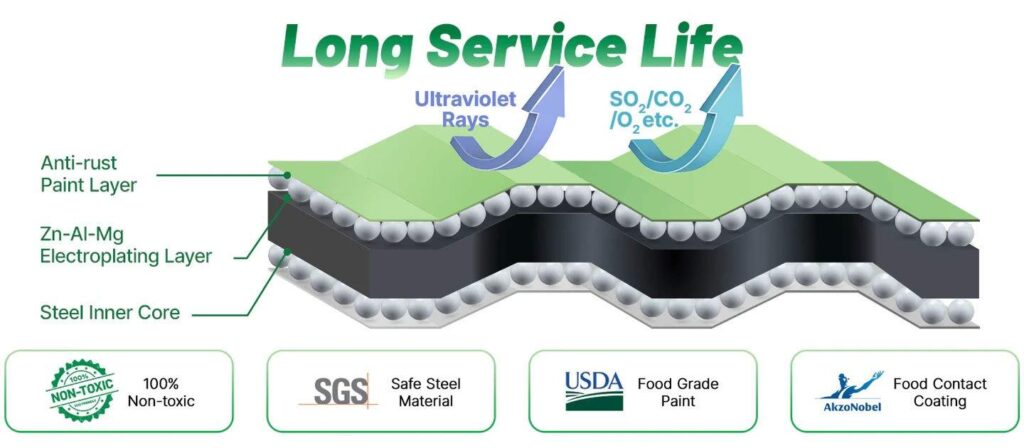
Vegega is a specialized manufacturer of modular raised garden beds, planters, and gardening accessories. Their flagship products are made from a specific zinc-aluminum-magnesium coated steel, designed to withstand the elements far better than traditional galvanized iron or wood.
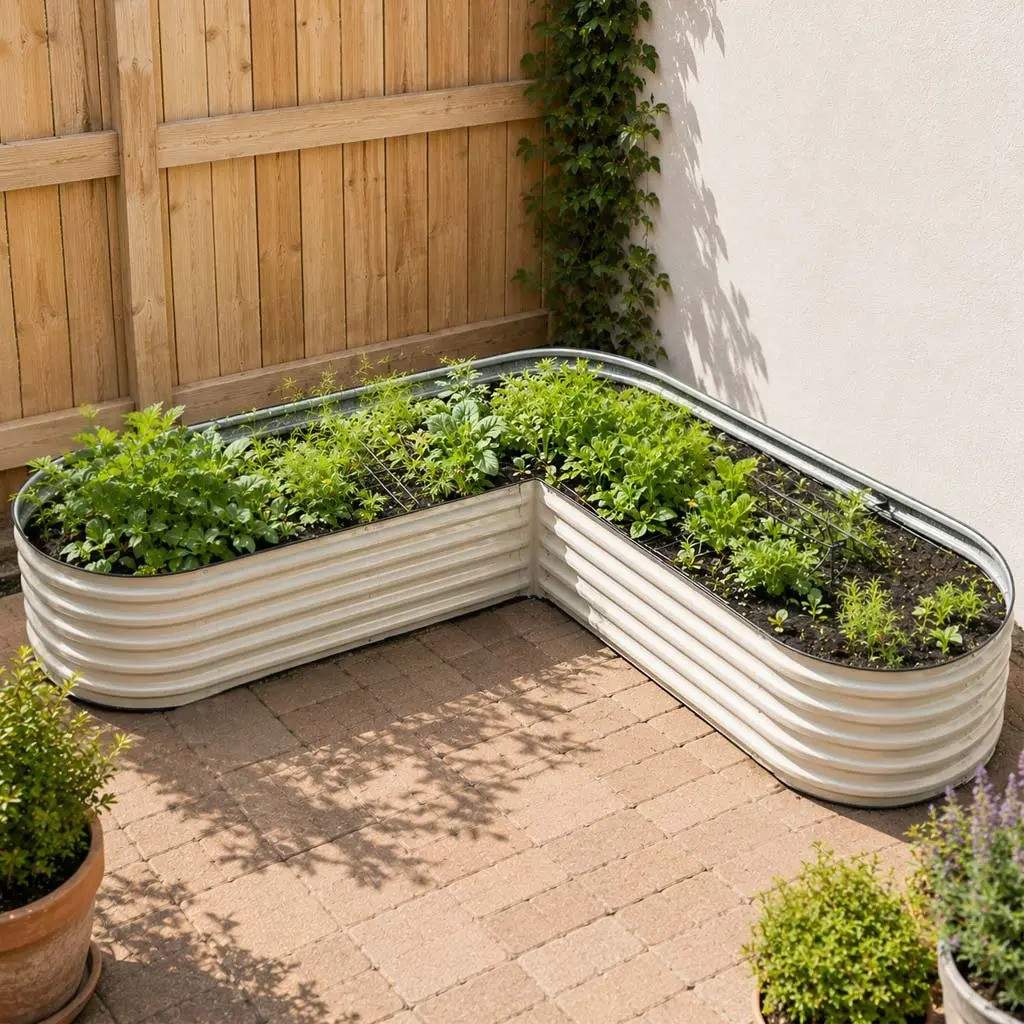
Because their systems are modular, you buy a kit containing a specific number of straight and curved panels, allowing you to configure the bed in various shapes and sizes to suit your layout.
Technical Specifications & Materials: Zinc-Aluminum-Magnesium Steel
The biggest selling point of Vegega is the material. Traditional galvanized steel beds use only zinc coating, which eventually breaks down, leading to rust.
Vegega uses Zn-Al-Mg (Zinc-Aluminum-Magnesium) steel (often coated with a durable, non-toxic paint).
Why this matters:
Superior Corrosion Resistance: The combination of Aluminum and Magnesium creates a self-healing barrier. If the metal gets scratched, the coating chemically reacts to protect the exposed steel. It lasts up to 20 years—significantly longer than standard galvanized steel.
Soil and Food Safety: The materials and paint coatings used are highly stable and do not leach harmful chemicals into the soil, making them 100% safe for growing organic vegetables.
Thermal Regulation: A common misconception is that metal beds will cook your plants. Vegega’s open-bottom design and reflective color coatings ensure excellent heat dissipation. The soil actually stays at a more consistent temperature compared to wooden beds.
Key Features & Benefits
1. Modular Design
Most Vegega kits are “9-in-1” or “6-in-1”. This means one box contains enough panels to build one of several configurations (e.g., a long rectangle, a square, or a narrow walkway bed). This flexibility is excellent if you change your mind about your garden layout at the last minute.
2. Ergonomic Heights (17″ and 32″)
Vegega beds typically come in two heights: 17 inches (43 cm) and 32 inches (81 cm).
The 17-inch bed is perfect for most root vegetables and offers a great depth-to-cost ratio.
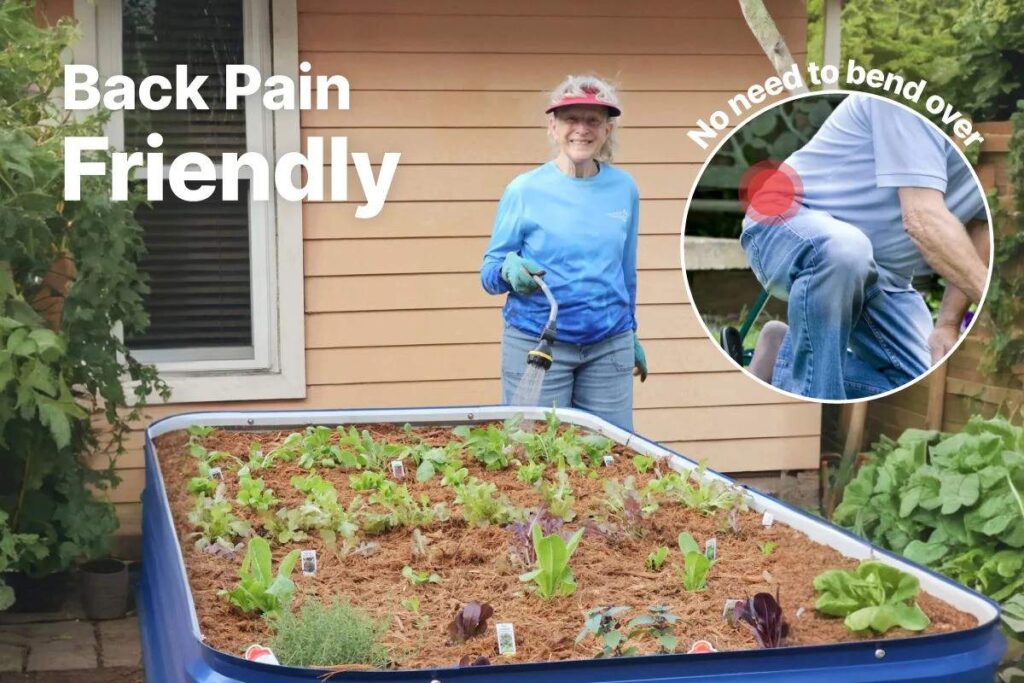
The 32-inch bed is a game-changer for older gardeners or anyone with back pain. You can tend to your plants, prune, and harvest without bending down at all.
3. Safety Edge Commercial Strip
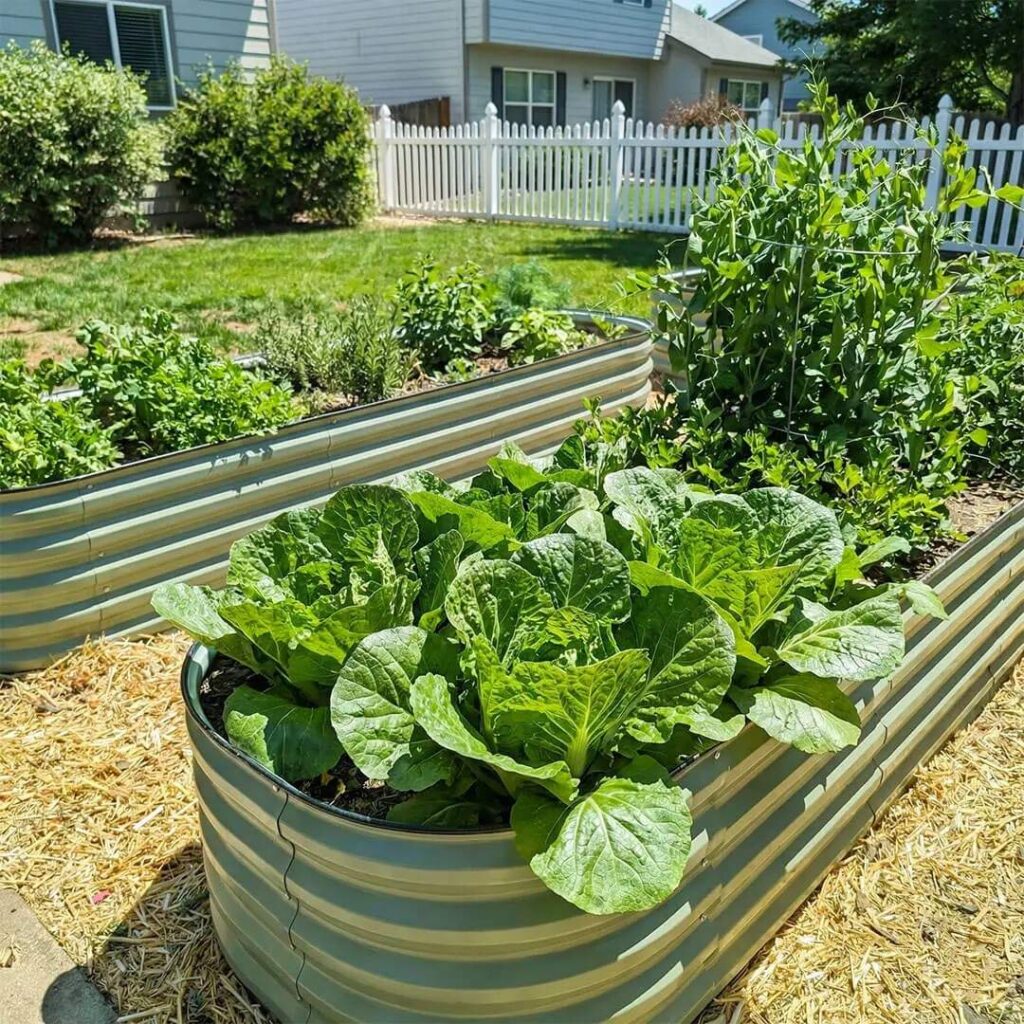
Corrugated metal can be sharp. Vegega solves this by including a heavy-duty, weather-resistant rubber edge strip that caps the entire top perimeter of the bed. It protects your hands and arms from scrapes while gardening.
The Assembly Process: What to Expect
Putting a Vegega bed together is straightforward, but it requires patience.
What’s in the box: Panels, a bag of stainless steel bolts, washers, nuts, a basic wrench tool, the rubber edging, and a manual.
Time commitment: Expect to spend about 30-45 minutes per bed.
Tip: Do not tighten the bolts fully until the entire structure is assembled. Once all panels are aligned and all bolts are loosely in place, go around and tighten them completely. This prevents alignment issues.
Pros and Cons
The Pros:
Longevity: Easily outlasts wood (which rots in 5–7 years) and standard galvanized iron.
Eco-Friendly: The steel is 100% recyclable, and you save trees by avoiding wooden framing.
Excellent Drainage: The open-bottom design allows roots to access groundwater and prevents root rot.
Pest Control: The slick metal sides make it much harder for slugs, snails, and rodents to climb into your garden.
Aesthetics: They look modern, clean, and come in various colors (Olive Green, Pearl White, Light Gray, etc.) to match your home’s exterior.
The Cons:
Initial Cost: They require a higher upfront investment compared to DIY wooden beds or cheap plastic planters.
Nut and Bolt Assembly: Screwing in dozens of small bolts can feel tedious, especially if you buy multiple beds.
Soil Volume: The 32-inch deep beds require a massive amount of soil to fill. (Correction strategy: Use the Hügelkultur method—fill the bottom 50% with logs, branches, and leaves, then add compost and topsoil on top).
Vegega vs. Competitors (Birdies & Olle)
How does Vegega stack up against other major brands?
| Feature | Vegega | Birdies | Olle |
| Material | Zn-Al-Mg Steel | Aluzinc / Colorbond | Galvanized Steel |
| Durability | Up to 20+ years | Up to 20+ years | 10–15 years |
| Price Point | Moderate / Competitive | Premium / High | Budget / Moderate |
| Configuration | Highly Modular | Highly Modular | Modular |
While Birdies is the original pioneer in this space, Vegega offers almost identical structural durability and material quality at a significantly lower price point, making it the best value-for-money option on the market today.
Final Verdict: Is Vegega Worth It?
Yes, absolutely. If you view gardening as a long-term investment, Vegega raised garden beds are highly worth it.
While a DIY wooden bed might be cheaper today, you will have to replace the rotted wood, treat it with chemicals, or rebuild it entirely within a few years. Vegega eliminates that maintenance. They look fantastic, protect your back, keep pests out, and will last for decades.
Our Rating: 4.8 / 5